The History of Card Games
Card games are older than most people assume, and the deck in your junk drawer has passed through a lot of hands - and a lot of cultures - to get there.
Origins in China
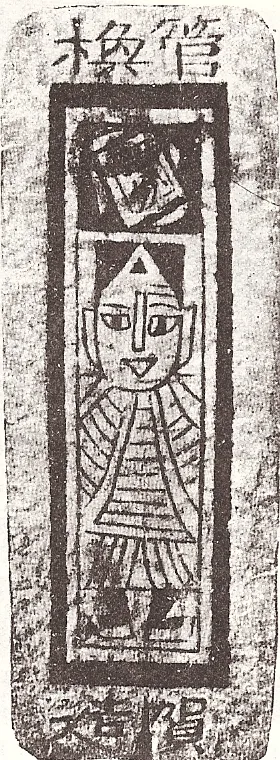
The earliest known references to card games come from Tang dynasty China, around the 9th century. These early cards likely grew out of existing domino and dice games and were closely tied to paper money of the period - some historians think the earliest "cards" may have doubled as both game pieces and stakes. Written references to card games appear in Chinese texts from this era, though no cards from that early period survive today. The oldest surviving Chinese playing cards, like the one pictured, date from centuries later.
The Islamic World and the Mamluk Deck
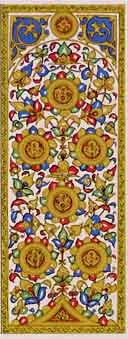
Playing cards reached the Islamic world by at least the 12th or 13th century, most notably in the form of the Mamluk deck used in Egypt. The Mamluk deck used four suits - cups, coins, swords, and polo sticks - and is the direct ancestor of the suit systems used across Europe centuries later. Surviving fragments of Mamluk cards, richly decorated, are among the oldest physical playing cards still in existence.
Arrival in Europe
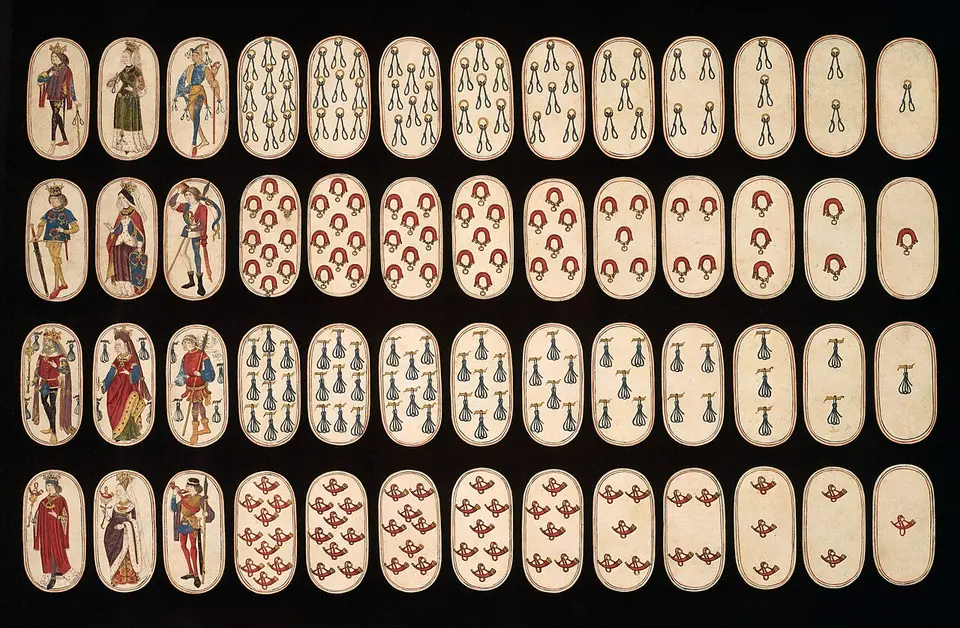
Playing cards spread into Europe in the late 14th century, likely via Mediterranean trade routes. The earliest documented European references appear in the 1370s and 1380s, in city records from places including Spain, Italy, and Switzerland - often in the form of local bans, since new games played for money tended to alarm local authorities almost immediately. European card makers adapted the Mamluk suits into regional systems: swords and cups survived closer to their original form in Italian and Spanish decks, while other regions developed their own local suits entirely.
The French Deck Takes Over
In the 15th century, French card makers developed the suit system now most familiar worldwide: hearts, diamonds, clubs, and spades. The French suits were simpler shapes than earlier Italian and Spanish designs, which meant they could be produced cheaply using stencils rather than hand-painting each card. That production cost advantage - not any particular gameplay merit - is widely credited as the reason the French suit system spread so widely through trade and, eventually, colonization, largely displacing older regional suit systems outside of a few countries that kept their own traditional decks (Spain and Italy among them).
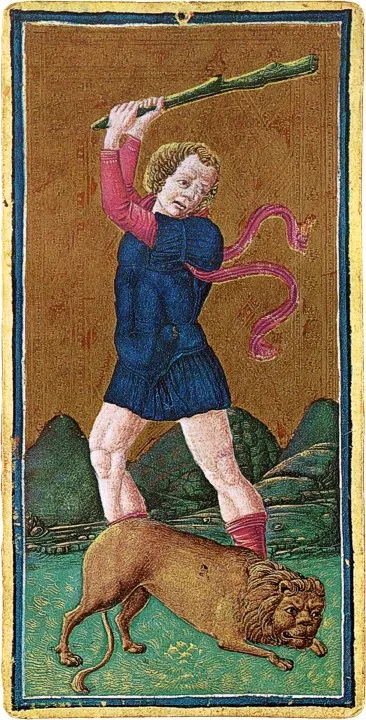
Around the same period in Italy, a related but distinct deck emerged: the tarot deck, originally created purely for a trick-taking game called tarocchi, which added a permanent suit of trump cards on top of the four regular suits. That's the origin of the word "trump" still used in trick-taking card games today - tarot's use for fortune-telling came centuries later and was not part of its original purpose.
Diversification Across Europe
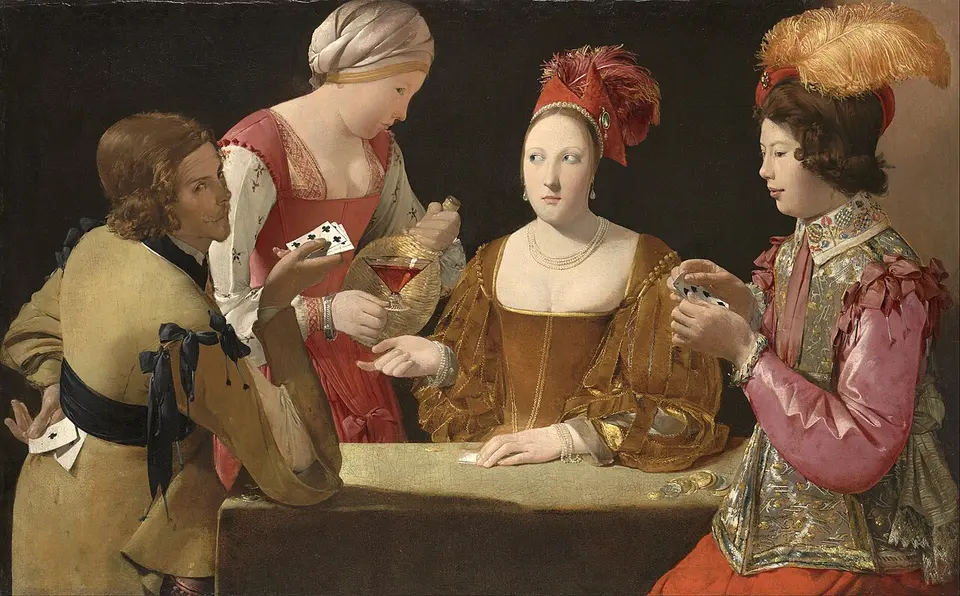
From the 16th through 18th centuries, card games diversified rapidly across Europe, with distinct national traditions forming: Ombre in Spain, Piquet in France, and Whist in England among them. Whist in particular became hugely popular in England and its colonies, and its structure - partnerships, trump suits decided by a turned-up card, and trick-taking scoring - laid much of the groundwork for games that would come later, most notably Bridge.
The Modern Deck Takes Shape
The standardized 52-card deck familiar today, with corner indices (small rank/suit markers in the corners) and reversible, double-headed court cards, is largely a 19th-century American innovation. Corner indices were introduced in the 1870s, driven by card manufacturers responding to players who wanted to identify their cards without fanning them all the way open - a small change that made every subsequent game faster and less error-prone to play.
American Innovations
The 19th and early 20th centuries saw an explosion of new card games take shape in the United States, many of them still widely played today. Poker developed in the early 1800s around New Orleans and spread along the Mississippi River. Euchre arrived with German immigrants, adapted from the Bavarian game Juckerspiel. The rummy family of games took shape and diversified. Bridge evolved out of Whist through several intermediate forms, until Contract Bridge - the version played today - was formally codified in 1925.
The Commercial Card Game Era
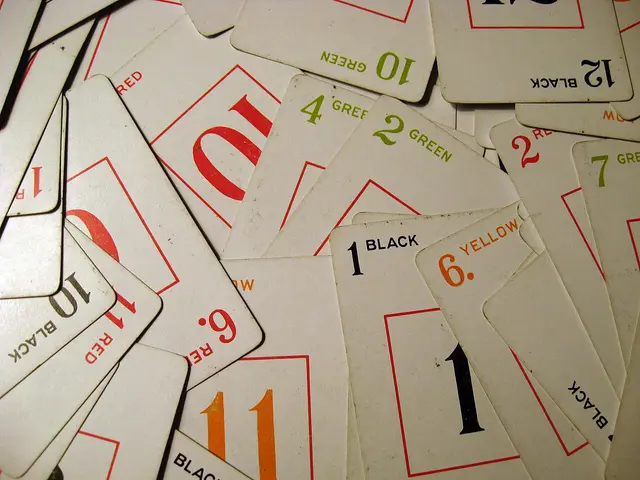
Through most of card game history, a "deck" simply meant a standard, generic pack of 52 cards used to play any number of different games. That began to change in the 20th century, as publishers started designing games around their own purpose-built, branded decks: Rook in 1906, Uno in 1971, and later Phase 10, Skip-Bo, Cards Against Humanity, and Exploding Kittens, among many others. These games turned the card game from a free, shared cultural tradition into a purchasable product in its own right - complete with trademarks, proprietary decks, and, in some cases, entire companies built around a single title.
Card Games Today
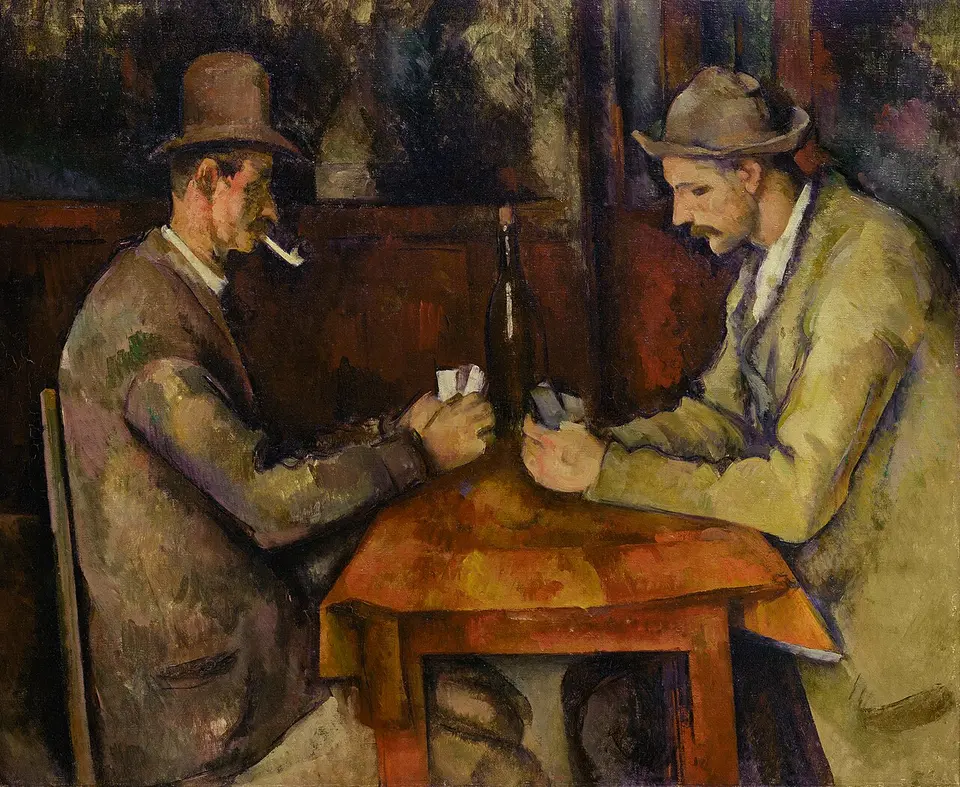
Card games remain enormously popular in both traditional and new forms. Poker has grown into a global industry with televised tournaments and online play at massive scale. Bridge is recognized as a competitive "mind sport" with organized national and international competitions. Meanwhile, a steady stream of new commercial card games continues to arrive, often crowdfunded directly by the communities that end up playing them, alongside digital adaptations that let people play centuries-old games like Hearts or Spades against opponents anywhere in the world.